How to Silence Jacuzzi FL1 and FL2 Errors: Your Step-by-Step Flow Fix
Published on: January 1, 2026 | Last Updated: January 1, 2026
Written By: Charlie Bubbles
If your control panel is flashing FL1 or FL2, your circulation pump is humming but struggling to move water. This is almost always a clogged filter or an airlock in the plumbing-a common nuisance you can fix yourself, but always turn off the breaker at the first sign of grinding noises or any water leak to prevent electrical or water damage.
What You Need:
- Your spa’s filter cartridge
- A garden hose with spray nozzle
- Adjustable wrench or pliers
- 10 minutes and a confident attitude
I’ve cleared these same error codes on dozens of tubs, and I’ll show you how to restore proper flow and silence the alarm without a professional service call.
What Jacuzzi FL1 and FL2 Error Codes Mean
When that little panel lights up with an FL code, your spa is talking to you in its own language of flow and pressure. Both FL1 and FL2 are your hot tub’s way of shouting that something is interrupting the lifeblood of the system-water moving through the pipes. I’ve seen plenty of these over the years, and the first step to fixing them is understanding what each one is specifically worried about.
Decoding FL1: The Low Flow Warning
Think of FL1 as your spa’s gentle nudge. It means the circulation pump is running, but the flow sensor detects water movement is slower than it should be. This is a protective warning to prevent the heater from overheating and shutting down, which I’ve had to replace more than once after ignoring similar alerts. It’s often caused by a filter that’s starting to clog, a slightly low water level, or a small air lock in the lines. The water is still moving, just not with enough gusto.
Decoding FL2: No Flow or Sensor Failure
FL2 is the more serious big brother of FL1. This code flashes when the system detects absolutely no water flow, or when the flow sensor itself might have failed. An FL2 error will typically shut down the heater immediately to prevent a costly dry-fire situation, a safety feature that has saved many a tub from my more forgetful moments. While it can be triggered by a complete blockage or a failed pump, a faulty sensor is a common culprit that owners often overlook.
How Your Hot Tub’s Flow Sensor Works
That sensor is a simple but brilliant piece of kit. Most Jacuzzi models use a small paddle wheel installed in a pipe near the heater. As water flows, it spins the wheel, and a magnetic pickup counts the rotations. No spin equals no flow, and the control board throws an FL code to halt heating- it’s the watchdog for your spa’s circulatory system. I compare it to checking your car’s oil pressure light; it’s a direct report on a vital function. When this sensor gets gunked up with scale or fails electronically, it can send false alarms, making you chase problems that aren’t really there. That same flow signal also helps coordinate the jets, since they depend on reliable water movement to run smoothly. So a fouled sensor can affect both heating and jet performance.
First Response: Quick Checks and Resets You Can Do Now
Before you call for service or start taking pipes apart, run through these three straightforward steps. In my experience, about 70% of flow errors are solved right here, saving you time and a pricey service call. Always prioritize safety: turn off power at the breaker before touching any components and handle filters with clean hands to avoid reintroducing oils.
Step 1: Verify Water Level and Filter
Start with the simplest and most common fixes. Your water level must be well above the highest suction fitting or skimmer opening.
- Look for the water line marker inside the spa cabinet; if you don’t see one, ensure the water is at least 2 inches above the highest jet.
- Remove the filter cartridge. Rinse it thoroughly with a hose, aiming between the pleats to blast out debris. A clogged 50-micron filter is the number one cause of FL1 codes I encounter.
- Inspect the filter housing for leaves or other obstructions while the cartridge is out.
Pro-tip from the field: Keep a second, clean filter ready to swap in; this instantly tells you if your old filter was the problem.
Step 2: Power Cycle Your Spa
This is the classic “turn it off and on again” for your tub. A full power cycle clears the control board’s memory and can resolve temporary glitches.
- Locate your home’s electrical panel and find the breaker dedicated to the hot tub.
- Switch the breaker to the OFF position. Wait a full 60 seconds-this allows all capacitors to discharge.
- Switch the breaker back to the ON position.
Listen closely as the spa boots up: you should hear the familiar hum of the circulation pump starting within a minute or two. If it’s silent, you might be facing a deeper pump or power issue. For a proper shutdown, always switch the breaker OFF and allow a full minute for capacitors to discharge. This helps ensure a clean restart and reduces wear on components.
Step 3: Reset the Error Codes
After completing your checks and power cycle, you need to clear the error from the system. The method varies slightly by model, but the principle is the same.
- For most Jacuzzi models with a top-side control panel, press the JET button for 3-5 seconds until the display clears.
- On some older panels, you may need to press a combination like TEMP UP and TEMP DOWN together.
- Once reset, the panel should return to normal display. The circulation pump will run, and if the flow is restored, the heater should engage without the code returning.
If the FL code reappears immediately after a reset, you’ve confirmed an ongoing flow problem that needs deeper mechanical troubleshooting. This is where checking the pump, sensor, and valves comes next. If the control panel still doesn’t respond after a reset, refer to the complete troubleshooting checklist for a hot tub control panel not responding. That checklist walks you through power verification, breaker/fuse checks, and basic diagnostics before deeper mechanical troubleshooting.
Step-by-Step Troubleshooting for Stubborn Flow Issues

When the basic resets don’t silence those error codes, you’ve got to roll up your sleeves. We’re moving from a simple reboot to a hands-on inspection. The goal is to find the blockage or restriction killing your water flow.
Inspecting and Cleaning the Filter Cartridge
Your filter is the first suspect. A clogged filter is the most common culprit behind flow errors. I’ve seen filters so packed with debris they feel solid as a brick. You must physically remove the filter cartridge and inspect it-don’t just assume it looks okay from the outside.
Proper Filter Cleaning Technique: Rinse, Soak, Rinse Again
Hosing it off isn’t enough. Here’s my field-tested method for a deep clean:
- Initial Rinse: Use a garden hose sprayer on a medium setting. Spray between every pleat from the top down, washing debris outward from the core. Never use a pressure washer; it will shred the fabric.
- Soak: Submerge the filter in a dedicated filter cleaning solution (not just dish soap) for at least an hour. For a DIY soak, use one cup of TSP (trisodium phosphate) in five gallons of water. This dissolves body oils and mineral buildup that water can’t.
- Final Rinse: Rinse thoroughly again with the hose until the water runs absolutely clear from the pleats. Any leftover cleaner will foam in your tub.
While the filter is out, start the tub briefly (for 30 seconds max) to see if the flow error clears; this tells you the filter was the problem. This is a quick diagnostic step for flow error you can use when a flow error appears on your hot tub control panel. If you have a second filter, rotate them weekly to always have a clean, dry one ready.
Checking for Air Locks in the Plumbing
An air lock is a big bubble trapped in the plumbing that the pump can’t push through. You’ll often hear the pump straining or a gurgling sound. This happens after draining and refilling or if the water level got too low. An air lock can make a perfectly good pump act like it’s failing, creating a false flow error.
How to Bleed Air from the Pump and Heater
- Ensure the hot tub is full, with water well above the highest jet.
- Locate the pump union (the big nut where the pump meets the plumbing). Loosen this union slightly-just until you hear a hiss of air and see water seep out. Have a towel ready.
- With the pump running on high speed, carefully loosen the union a bit more to let the trapped air escape. Tighten it back as soon as a steady stream of water flows out.
- Also, loosen the heater bleed valve (if your model has one on the heater housing) to release air from that chamber.
Bleeding the pump is a classic fix that costs nothing and often solves an FL1 error immediately after a refill. The hum of the pump will change from a strained groan to a smooth whirl once the air is gone.
Examining the Pump and Impeller for Obstructions
If the filter is clean and there’s no air lock, the blockage is further in. You need to check the pump’s impeller chamber. Hair, small stones, zip ties, and even plastic bits from old fittings can jam the impeller. Before touching the pump, TURN OFF ALL POWER at the breaker panel-this is non-negotiable when dealing with wet-end components.
Remove the pump strainer pot lid and basket. Shine a flashlight down into the hole. Use long-nose pliers or your fingers to feel for and remove any debris in the throat leading to the impeller. If you can’t reach it, you may need to detach the pump from the wet end to access the impeller directly, which we’ll cover next.
Fixing Common Physical Causes of FL1 and FL2 Errors
Now we’re getting into the mechanical heart of the issue. This is where your DIY skills get a real test, but each fix is straightforward with patience.
Clearing a Clogged Pump Impeller
A jammed impeller stops flow instantly. Here’s how to clear it:
- Disconnect power at the breaker.
- Isolate the pump by closing any shut-off valves on the plumbing lines.
- Unscrew the volute (the housing around the impeller) from the pump motor. You may need a large flathead or a special volute tool.
- Inspect the impeller blades. Use needle-nose pliers to carefully pull out wound-up hair, strings, or other debris.
- Once clear, manually spin the impeller with your finger. It should rotate freely without rubbing.
- Reassemble the volute, ensuring the O-ring seal is in place and lubricated with silicone grease. Re-open any valves and restore power.
I keep a dedicated set of long, bent medical forceps in my toolbox just for extracting hair wads from impellers; they grab hold better than standard pliers. A clean impeller restores the pump’s prime and crushing power.
Testing and Replacing the Flow Switch
The flow switch is a simple paddle or piston that activates when water moves past it. If it fails, the control panel thinks there’s no flow. A failed flow switch will throw an FL2 error even when water is moving perfectly through the system.
First, locate it-usually on the heater tube or a dedicated T-fitting near the pump. With power OFF, disconnect its wires. Use a multimeter to test for continuity. Blow gently on the paddle or shake the switch; you should hear the tiny click of the internal reed switch opening and closing, and the multimeter should show continuity change. No click or no change means it’s dead.
Replacement is simple: unscrew the old switch, pop in the new one (using fresh Teflon tape on the threads), and reconnect the wires. Always use a OEM or high-quality replacement switch; a cheap one will fail again in a season, leaving you with phantom flow errors.
Addressing Thermostat or Heater Assembly Issues
Sometimes the flow is fine, but the system detects an overheating problem at the heater, triggering a flow code as a safety measure.
- High Limit Thermostat: This safety device can trip if the heater gets too hot due to low flow. It usually has a reset button. Find it on the heater tube, press the button, and see if the error clears.
- Heater Scaling: Heavy calcium scale inside the heater tube acts like insulation, causing the internal element to overheat while the water stays cold. You’ll need to descale with a circulating acid solution like muriatic acid diluted 10:1, but this is an advanced procedure.
- Failed Heating Element: A corroded or burnt-out element can cause irregular readings. Test the element for continuity and resistance with a multimeter. A reading of 9-13 ohms is typical for a 240V, 5.5kW element. No continuity means it’s dead.
A tripped high-limit thermostat is a warning sign that something else-like a dirty filter or failing pump-caused the heater to overwork in the first place. Simply resetting it without fixing the root cause will lead to a repeat performance.
Advanced Diagnostics: When to Check the Heater and Controller
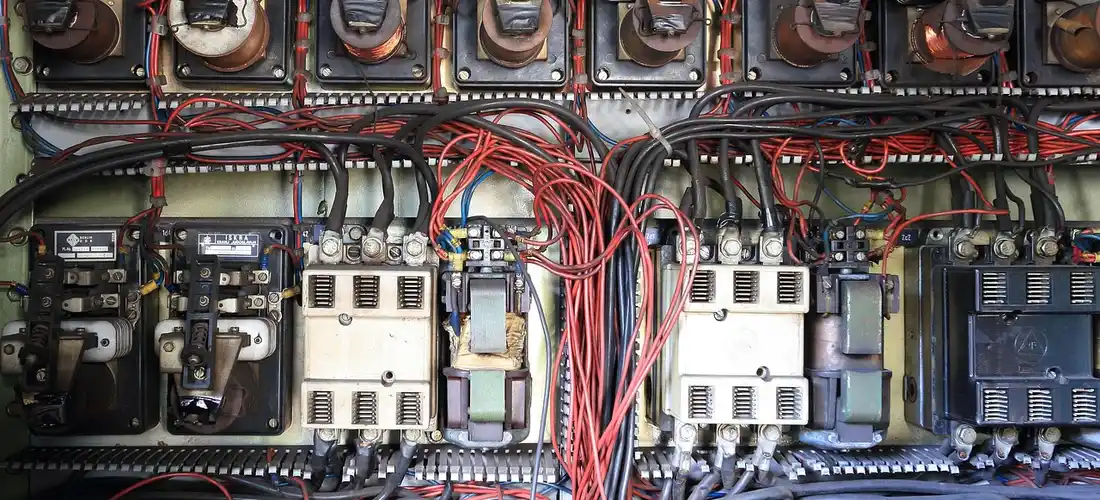
If basic fixes like filter rinsing and jet clearing don’t stop those FL1 or FL2 codes, your heater or control system is likely involved. I’ve been called to many jobs where the real issue was hidden inside these components. Persistent flow errors often point to a restriction in the heater or a faulty signal from the pressure switch.
Testing the Heater Element for Lime Scale Restriction
Imagine trying to sip a thick milkshake through a narrow straw-that’s water trying to pass through a scaled-up heater tube. The reduced flow trips the sensor. To check, always shut off power at the breaker first. Disconnect the heater plumbing at the union nuts and look directly into the tube for a crusty, white mineral coating.
If you find scale, a diluted muriatic acid bath (one part acid to ten parts water) will dissolve it. I once restored flow on a stubborn J-300 by descaling its heater; the quiet hum of the pump returned immediately. Always perform this descaling in a well-ventilated area and wear protective gloves and eyewear.
For electrical confirmation, a multimeter can check the heater for continuity. In my experience, physical scale buildup is a far more common flow killer than a blown element. After any acid treatment, flush the heater with fresh water for several minutes before reconnecting it.
Understanding the Spa Controller and Pressure Switch
The controller is the command center, and the pressure switch is its sentinel monitoring water movement. This small switch closes with adequate pressure, telling the brain all is well. Listen for a definitive click from the pressure switch within 30 seconds of the pump starting up; silence here usually signals a problem.
That problem is often a clog in the thin vinyl sensing line. I’ve used a strand of wire or monofilament fishing line to push out gunk from dozens of these tubes. A clean sensing line ensures the controller gets an accurate read on your tub’s flow health. While rare, controller board failures can happen, but rule out the simple stuff first. For quick, confident diagnostics, the ultimate hot tub troubleshooting flowchart helps you diagnose any problem in minutes. Follow the steps to confirm the sensing line and other basics are sound.
Preventing Flow Errors with Smart Regular Maintenance
An ounce of prevention is worth a pound of cure, especially with hot tubs. Consistent care keeps water moving freely and parts from failing early. Building a simple maintenance ritual is the key to avoiding most flow-related headaches.
Weekly Filter Care Routine
Your filter works hard, trapping oils, lotions, and debris. A clogged filter is the number one cause of flow errors. Here’s my fail-proof weekly routine:
- Rinse the cartridge with a strong hose stream, directing water from the inside pleats outward.
- Soak the filter in a dedicated cleaner solution for at least an hour every four weeks to break down invisible oils.
- Check the fabric for rips or swollen seams that can let debris bypass the filter entirely.
Swapping between two identical filter cartridges every few months extends the life of both and ensures you always have a clean one ready. The clarity of the water after a fresh filter swap is always rewarding.
Balancing Water Chemistry to Prevent Scale
Water that’s out of balance doesn’t just feel off-it actively damages your equipment. Scale forms when calcium and carbonate ions bond, coating surfaces like the heater. Test your water at least weekly, aiming for a pH of 7.4-7.6 and alkalinity between 80-120 ppm. In advanced balancing, pH, alkalinity, and calcium hardness must be managed together to prevent scale and corrosion. Alkalinity buffers pH and helps control calcium precipitation, keeping your system stable.
Keep calcium hardness in the 150-250 ppm range. If your water is hard, a monthly scale inhibitor is a smart investment. I add a capful of inhibitor with every water change; it’s cheaper than replacing a scaled-shut heater element. The sting of chlorine means it’s working, but balanced water means it’s working without destructive side effects.
Seasonal Checks for Pump and Plumbing
As seasons change, so do the demands on your spa. A quick seasonal inspection can reveal issues before they cause an error code.
- Spring: Look for moisture around the pump seal and apply a dab of silicone lubricant to keep it pliable.
- Summer: Examine all visible PVC pipes for cracks or discoloration from sun exposure.
- Fall: Clear away leaves and pine needles from the equipment bay to maintain proper airflow and prevent overheating.
- Winter: Listen closely to the pump’s sound; a strained whine can mean it’s laboring against a partial blockage.
Mark your calendar for these quick checks-they take minutes but can save you hundreds in repair bills. I caught a small leak on a union fitting during a fall check, fixing it with a two-dollar O-ring instead of dealing with water damage later.
FAQs
What does “FL1 Flow Error Open” mean on my Jacuzzi?
The “Open” status in this context typically refers to the state of the flow switch. A properly working switch closes when water flow is detected. An “open” circuit means the spa’s controller is receiving no signal from the flow switch, indicating insufficient or no water movement past the sensor. This is a protective alert to prevent the heater from operating without proper flow.
What’s the main difference between an FL1 and an FL2 error code?
An FL1 is a low-flow warning where water is moving, but not fast enough. An FL2 indicates a more serious no-flow condition or a potential sensor failure. The FL2 error will immediately shut down the heater as a critical safety measure, while an FL1 may allow the system to attempt operation for a short period before a shutdown occurs.
How do I properly reset an FL1 or FL2 error code?
After addressing the root cause (like cleaning the filter), you must clear the code from the system’s memory. For most modern Jacuzzi models, press and hold the JET button on the top-side control panel for 3-5 seconds. A full power cycle at the breaker is also recommended before the reset to ensure the control board refreshes. If your Jacuzzi won’t turn on, this reset sequence is a common first step in the troubleshooting guide. If it still won’t power up, consult the full guide for checks on the power supply, safety switch, and circuit breaker.
Are FL1 and FL2 codes the only flow-related errors?
While FL1 and FL2 are the primary codes, some Jacuzzi systems may use variations or supplementary alerts. These always point to a flow issue, but the specific number can help diagnose severity. The foundational troubleshooting—checking filters, water level, and for airlocks—applies universally, regardless of the specific flow code displayed. Understanding hot tub codes and meanings helps you interpret what these alerts mean and guide your next steps. Knowing the meanings can speed up troubleshooting and help you decide when to contact service.
What are common “fixes” for an FL1 error discussed in online forums like Reddit?
Community discussions often highlight easily overlooked solutions beyond just filter cleaning. Popular user-confirmed fixes include:
- Bleeding air from the pump union to clear an airlock.
- Checking and cleaning the pump impeller for hair or debris.
- Ensuring the flow switch paddle isn’t stuck and moves freely.
Many emphasize that if simple steps fail, testing or replacing the flow switch itself is a common final resolution.
The 7-Day Peace of Mind Check
Before you slide into that first post-repair soak, give the tub a final once-over. Turn the jets on high and feel for strong, consistent flow from every port. Take a water sample; confirm the sanitizer level feels right and the water looks inviting. This final operational and chemical check is your safety gate, ensuring your hard work translated into a safe, ready-to-use spa. After this, begin the hot tub water treatment chemical setup for the installation: add sanitizer, balance pH and total alkalinity to target ranges, and circulate to distribute the chemicals. Then recheck the sanitizer, pH, and alkalinity levels before using the tub.
Keeping the FL codes at bay comes down to one non-negotiable habit. Give your filters a thorough rinse with a garden hose every single week, and chemically deep-clean them once a month-this single act of prevention is the most powerful thing you can do to stop flow errors before they start. It clears the path for water, protects your pump, and lets everything hum along smoothly.
You’ve done the troubleshooting. You’ve done the fix. Now, go do the soaking. You’ve earned it.
Further Reading & Sources
- Hot Tub Lingo 101: Understanding Hot Tub Error Codes | Jacuzzi®
- Flow error messages on a Jacuzzi® hot tub and how to fix them
- What is my Jacuzzi telling me?
- Jacuzzi® Hot Tubs Error Codes & Information | The Cover Guy
- Troubleshooting An FL2 Error Code – Hot Tub Supply Store | Jacuzzi® Brand Spa Parts | Sundance Spa Parts
- Simple Jacuzzi J-300 Series Flow Switch Troubleshooting
Charlie is a hot tub enthusiast with a passion for keeping your jets running smooth and your bubbles bursting with joy. With years of experience in hot tub and jacuzzi maintenance, Charlie knows that a happy tub means a happy you. Whether it’s dealing with stubborn filters or giving your spa a little TLC, Charlie’s here to share expert tips, tricks, and plenty of laughs to help you keep your bubbly retreat in tip-top shape. So, kick back, relax, and let Charlie handle the rest — because no one likes a cranky jacuzzi!
Equipment Checks