
Stop Seasonal Hot Tub Disasters: Your Essential Year-Round Maintenance Fix
Published on: November 26, 2025 | Last Updated: November 26, 2025
Written By: Charlie Bubbles
If your water turns cloudy and itchy in summer, your pipes risk freezing in winter, or you’re constantly battling strange smells, your hot tub is suffering from inconsistent, reactive care instead of proactive seasonal maintenance. This isn’t an immediate electrical hazard, but it’s a fast track to costly repairs, chemical waste, and a tub you can’t enjoy.
What You Need:
- Water test strips or a digital tester
- pH and Alkalinity increaser/decreaser
- Sanitizer (chlorine or bromine)
- Filter cleaner solution
- A reliable insulating cover
- 30 minutes this weekend
I’ve balanced water in everything from Texas heat to Midwest winters, and this guide will equip you to handle every season yourself, saving you hundreds on service calls.
The Core Four: Non-Negotiable Weekly Tasks
Think of these four jobs like brushing your teeth-skip them, and bigger, more expensive problems are guaranteed to follow. Set a calendar reminder for the same day every week; it takes me less than 20 minutes to run through them all.
Water Testing and Balancing
Your test strip is your spa’s truth teller. Dip it for one second, wait 15 seconds, and match the colors. The order you correct imbalances matters: always adjust Total Alkalinity (TA) first, then pH, and finally your sanitizer level. TA acts like a shock absorber for your pH; get it between 80-120 ppm, and your pH will stop bouncing around. I keep my own pH in the sweet spot of 7.4 to 7.6-it’s gentle on skin, equipment, and helps your sanitizer work its best.
- Low pH (<7.2): Water becomes acidic. It stings the eyes, corrodes metal fittings, and eats away at your heater element.
- High pH (>7.8): Water turns scale-forming and cloudy. It deactivates chlorine, making it feel weak, and can clog your plumbing with calcium.
- Pro-Tip: Use baking soda to raise TA and pH Up (sodium carbonate) for pH alone. To lower both, a dash of dry acid (sodium bisulfate) does the trick.
Filter Care and Rinsing
That gentle hum you hear is your circulation pump pushing every gallon of water through this cartridge. A dirty filter makes that pump strain, wasting electricity and hurting water flow. Every single week, pull your filter cartridge and rinse it thoroughly with a garden hose, aiming between the pleats to blast out the surface gunk. Use a filter cleaning solution once a month to dissolve the oils and minerals that water alone can’t touch. A clean filter is the single biggest key to brilliant, sparking water.
Sanitizer Top-Up
Your sanitizer-be it chlorine or bromine-is the security guard on duty, working 24/7 to zap contaminants. Heat and sunlight burn it off, so a weekly refresh is mandatory. Never just dump granules directly into the tub; they’ll sink to the floor and bleach your acrylic. I always pre-dissolve chlorine in a bucket of warm spa water first, then pour it slowly into the center with the jets on. For a 400-gallon tub, 1-3 tablespoons of dichlor is usually perfect to bring free chlorine back to 3-5 ppm.
Visual Inspection and Leak Check
Take a slow walk around your spa. Get down on your knees and look under the skirt. A small leak today is a rotted frame and a massive repair bill next season. Feel for damp spots on the equipment compartment floor. Listen for unusual hisses or drips behind the access panel. Check that the water level is still halfway up your skimmer opening. This two-minute scan has saved me thousands by catching a loose union fitting before it let go completely.
Spring Awakening: Reviving Your Spa After Winter
When the last frost threat passes, it’s time to wake your spa from its slumber. This isn’t just a refill; it’s a full system check-up after a season of rest. I always do this on a mild weekend morning with no rush.
Post-Winter Inspection and Cleaning
Before you even think about water, open the equipment bay. You’re looking for signs of winter visitors or moisture damage. Inspect all PVC pipes for hairline cracks from freezing-a common culprit I’ve found is the vertical pipe right behind the pump. Use a wet/dry vacuum to clean out leaves, spider webs, and dead bugs from the compartment. This is also the perfect time to give the empty shell a serious clean. Scrub it down with a soft cloth and a proper spa surface cleaner, not household products, to avoid foam later.
- Power down the spa at the breaker panel.
- Open the equipment compartment and visually inspect all pipes, valves, and the heater.
- Vacuum out all debris.
- Clean the empty shell and cover the interior with a protectant.
- Soak your filter overnight in a filter cleaning solution to restore it.
The Spring Refill and Chemical Startup
Now for the fresh start. When filling, drape your hose over the center of the empty tub to prevent stirring up any last bits of dirt. As the tub fills, add a metal sequestering agent to the stream; it binds to minerals in your fill water, preventing stains and cloudiness right from the first day. Once full, power up and run the jets for 15 minutes to purge air from the lines. Now, follow this startup sequence precisely:
| Step | Chemical | Target | Reason |
|---|---|---|---|
| 1 | Alkalinity Increaser | 80-120 ppm | Stabilizes pH, prevents corrosion/scale |
| 2 | pH Increaser or Decreaser | 7.4 – 7.6 | Perfect balance for comfort and sanitizer efficacy |
| 3 | Calcium Hardness Increaser | 150-250 ppm | Protects equipment from corrosive water |
| 4 | Sanitizer (Chlorine/Bromine) | 3-5 ppm (FC) | Establishes the primary protective barrier |
| 5 | Shock (MPS or Chlorine) | As directed | Oxidizes initial contaminants, clarifies water |
Wait an hour between adjusting alkalinity and pH for the chemicals to fully circulate. You’re building a foundation that will make your weekly care a breeze all season long.
Summer Soak: Keeping Water Perfect Under Pressure
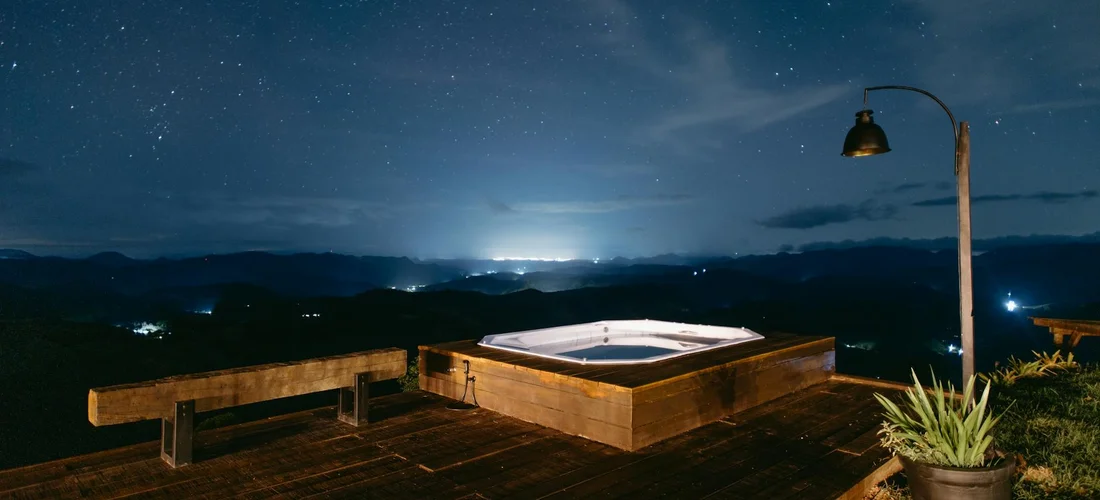
The hum of the circulation pump competes with cicadas, and your tub becomes the neighborhood retreat. Summer is fantastic, but the heat and constant use throw unique curveballs at your water balance. Think of your tub in July like a busy restaurant kitchen-without a diligent cleanup shift after the rush, things get grimy fast.
Managing High Bather Loads
More swimmers mean more sweat, lotion, and organic stuff for your sanitizer to fight. Your usual chlorine or bromine dose gets eaten alive. After a group soak, I always treat the water like it’s had a minor contamination event: hit it with a double dose of shock (MPS or chlorine) and let the jets run for a full cycle. This burns off the waste before it can cloud your water or cause odors.
You’ll likely need to test and adjust sanitizer levels daily during peak season. Don’t be shy about it.
- Boost Your Baseline: If your free chlorine usually sits at 3 ppm, let it ride at 4-5 ppm during a busy week. It gives you a fighting reserve.
- Shock More Often: Plan to oxidize with non-chlorine shock every week, or after every 2-3 heavy use sessions. It’s like doing the dinner dishes instead of letting them soak all night.
- Check pH Religiously: All that aeration from people and jets can send pH soaring. High pH makes your sanitizer lazy. A dose of dry acid brings it back into the 7.2-7.6 range where chlorine works best.
Fighting Sunscreen and Body Oils
This is the silent killer of summer water clarity. That greasy film on the surface isn’t just unpleasant; it insulates the water from your sanitizer and clogs filters. I’ve pulled filters caked with a waxy, white gunk that smelled like a coconut vacation gone wrong-that’s sunscreen and body oil fused together.
A scum line around the shell is your first warning. Here’s your battle plan:
- Use a Scum Absorber: Toss a scum ball or floating absorbent sponge in the tub. It’s a cheap magnet for oils, and you’ll see the proof when you pull it out.
- Employ Enzymes: A weekly enzyme treatment is a game-changer. These natural cleaners actively break down oils and organics that sanitizer can’t, preventing foam and scum. Think of them as a digestive aid for your hot tub.
- Clean Filters Weekly: No joke. Rinse your filter with a hose sprayer every 7 days. Soak it in a proper filter cleaner solution (not just dish soap!) every 3-4 weeks to dissolve the deep-seated oils. A clean 30-square-foot filter works better than a dirty 50.
- Pre-Swim Rinses: Politely ask guests to rinse off in an outdoor shower before getting in. Even a quick 60-second rinse washes off the bulk of their sunscreen and sweat.
Fall Preparation: Getting Ready for the Cold
When that first crisp breeze rolls in, your hot tub’s job gets a whole lot harder. I’ve spent many autumn afternoons with my sleeve rolled up, arm deep in a spa cabinet, feeling for heat leaks and listening for the weak hum of a struggling pump. Fall maintenance isn’t just a chore; it’s a direct investment in winter coziness and springtime savings on your utility bill. Let’s get your tub ready to face the drop in mercury. To help you avoid costly damage, here are the 8 most common hot tub winterization errors to steer clear of. Tackling these now can save you headaches and high repair bills when winter arrives.
Heater and Thermostat Calibration Check
A heater fighting the cold while reading the temperature wrong is a wallet-draining nightmare. Last season, I helped a neighbor whose tub felt lukewarm despite the digital readout claiming 102°F; the heater was running non-stop, and his calibration was off by a full 5 degrees. An accurate thermostat is the brain of your hot tub’s climate control, and checking it is a fifteen-minute task that pays off all winter long. Sometimes the trouble isn’t the thermostat at all but the heater pump itself, or its control electronics. In those cases, a professional diagnosis is the quickest path to a lasting fix for complex hot tub heater pump issues.
Start by turning off the power at the breaker—safety first with anything electrical. Use a reliable floating thermometer (not the one from your kitchen drawer) to get the water’s true temperature. Let the tub cycle and compare this reading to your control panel. If they differ by more than 2-3°F, you’ve found a problem.
Here are your options:
- For digital systems: Consult your manual for a calibration mode. Often, it involves holding a button sequence to adjust the offset.
- For older analog systems: You may need to gently adjust a calibration screw on the thermostat itself, but this is rare on modern units.
- When to call a pro: If the discrepancy is large or the adjustment isn’t straightforward, hire a technician. A miswired sensor can cause more than just inefficiency.
This simple check ensures your heater isn’t working overtime to heat phantom water, protecting both your component lifespan and your monthly budget. I always keep a spare thermometer in my kit for this exact reason; it’s the most honest judge of your water’s comfort.
Insulation and Cover Inspection
The silent enemy of fall is heat loss. A damaged cover or compromised insulation lets precious warmth vanish into the night air, forcing your heater to cycle on constantly. I remember the year I ignored a small tear in my cover’s skirt; by December, my energy use had spiked 30%, and the cover core was waterlogged and heavy as lead. Inspecting your tub’s “blanket” is a hands-on task that directly translates to quieter operation and lower costs.
Start with the cover. Run your hand along the vinyl for tears or brittleness. Lift it-a properly functioning cover should feel substantial but not impossibly heavy. A waterlogged core is a sure sign it’s failing. Check the sealing skirt and any locking mechanisms for integrity.
Next, pop open the equipment panel (power off, always). Peer inside with a flashlight. You’re looking for:
- Gaps in foam insulation around the plumbing and shell.
- Damp or missing insulation batts in the cabinet walls.
- Unsealed penetrations where pipes or wires enter the shell.
For small gaps, expanding foam sealant designed for plumbing is my go-to fix; it seals drafts and prevents pipes from freezing without stressing the joints. For a cover with minor tears, a vinyl repair kit from a pool store can add another season of life. But if the cover is saturated or the internal foam is crumbling, replacement is the only efficient choice. The money you save on one month’s electric bill could cover half the cost of a new, energy-star rated cover.
Winter Wisdom: Protecting Your Investment from Freeze

That first deep freeze of the year always makes me nervous for hot tubs. I’ve responded to too many emergency calls where a silent pump meant frozen, cracked plumbing—a repair bill that stings more than the cold air. Your strategy here defines the season’s hassle and cost. Winterizing your hot tub’s plumbing and electrical systems is the preventive move. A quick shutoff, drain, and insulation now can spare you from frozen pipes and tripped breakers later.
To Drain or Not to Drain: Winterization Choices
This isn’t a one-size-fits-all call. Your choice hinges on your winter soak commitment and the severity of your local cold snaps. I’ve done both methods across years in the field.
Draining and closing the tub is a solid DIY project for those who won’t miss it until spring. It eliminates the risk of freeze damage and saves on ongoing energy costs. Here is my step-by-step, hands-on process: These steps are part of my step-by-step hot tub hibernation guide to close your tub for the season. Follow along for a smooth transition into winter.
- Kill all power at the main breaker box. Never trust just the tub’s control panel.
- Drain the water completely. Use your hot tub’s drain valve, but for a truly dry system, I follow up with a submersible utility pump to pull water from the footwell.
- Evict hidden water. This is critical. I use my shop vac on the ‘blow’ setting to force air through each jet line and the main drain. You’ll see water mist out.
- Remove the filter cartridge. Give it a deep clean with a filter soak solution, rinse it, and let it dry completely indoors.
- Secure the empty shell. A quality, locked cover is mandatory, and I often bungee a waterproof tarp over the top for extra insurance against snowmelt and wind.
Choosing to keep it filled is for the winter bather, but think of it as adopting a pet that needs daily check-ins. You skip the messy spring startup, but you trade that for constant vigilance against freezing.
Freeze Protection for Active Winter Tubs
This is where my lived experience balancing water in sub-zero temperatures pays off. The goal is to keep water moving and heated just enough to outsmart the frost. Modern freeze guards fail more often than you’d think.
Follow this active winter protocol:
- Trust Your Ears: Make a habit of listening for the low hum of the circulation pump morning and night. Silence is your enemy.
- Maintain Temperature: Keep your thermostat set to at least 100°F. It costs more, but a cooler tub is a gamble with ice.
- Adjust Your Chemistry: Cold water still grows nasties. Test sanitizer levels twice a week. I maintain 4-5 ppm chlorine in winter; it’s more stable than bromine when the heater cycles on and off.
- Boost Insulation: Inside the cabinet, I wrap any exposed pipes with foam insulation tape. This simple task reduces heater run time and saves money.
- Audit Your Cover: A heavy, waterlogged cover saps heat. If your cover feels like a soaked sponge, it’s hurting your efficiency. A floating thermal blanket directly on the water surface is a game-changer.
Chemical safety doesn’t take a winter break. Always pour granules slowly into the water while the jets are on to avoid inhaling concentrated fumes. I wear nitrile gloves even when my fingers are numb.
For energy efficiency, consider a dedicated spa cover cap—it’s like a winter coat for your cover and can dramatically cut heat loss. My own tub’s kWh usage dropped by nearly a quarter after I added one, making it a very worthwhile investment.
The Seasonal Switch: A Step-by-Step Draining and Refilling Guide
Step 1: Power Down and Drain Completely
Flip the dedicated circuit breaker for your spa to the OFF position before you touch anything else. I’ve repaired too many control boards fried by moisture during a drain. This simple action protects you and your equipment from dangerous electrical shorts.
Connect a sturdy garden hose to the drain valve or use a 1/4 HP submersible pump for a faster empty. Position the hose outlet downhill from the tub to encourage gravity flow. Let the tub drain until you hear the gurgle of air in the lines, signaling all standing water is gone from the plumbing.
- Confirm power is off with a non-contact voltage tester.
- Clear the area around the drain path to prevent water pooling.
- Use this time to inspect the empty equipment compartment for leaks or rodent nests.
Step 2: Deep Clean the Shell and Jet Lines
Mix a gentle acid wash of one gallon warm water with two cups white vinegar. Spray it liberally over the entire shell surface and let it dwell for 15 minutes to dissolve body oils and scale. Vinegar breaks down calcium deposits without the harsh fumes of commercial cleaners, making it my go-to for acrylic surfaces.
For the plumbing, use a dedicated jet line cleaner or make a baking soda paste to scrub inside each jet orifice. I once battled mysterious foam for weeks until I scrubbed the jet lines with a bottle brush. Biofilm hides in the dark, damp pipes and only a mechanical scrub will evict it. Regular maintenance, like cleaning the hot tub jets and plumbing system, is essential to prevent buildup.
- Rinse the shell thoroughly with a hose, focusing on crevices.
- Insert a jet cleaning tool into each return jet and flush with clean water.
- Wipe the shell dry with a microfiber cloth to prevent water spots.
Step 3: Refill and Decontaminate with Shock
Attach a carbon-filled hose filter to your faucet. This $20 gadget strips out copper, iron, and other minerals that stain and cloud your water. Fill the spa slowly through the filter compartment. Filling through the filter well purges air from the pump, preventing a dry start that can seize the impeller.
Once full, immediately add a oxidizing shock. For a 400-gallon tub, dissolve 5 ounces of dichlor granular shock in a bucket of spa water first. Always pre-dissolve granular chemicals to prevent them from clumping on the shell and causing bleach spots. (Learn) how to properly use oxidizing shock in your hot tub.
Pour the solution evenly around the water with the jets running on high. This creates a “breakpoint” oxidation that destroys contaminants left from cleaning. I treat this shock as a mandatory decontamination step, not an option, to ensure the water canvas is blank for balancing.
Step 4: Filter Maintenance and Replacement
Pull your filter cartridge and give it a preliminary rinse with a hose jet nozzle to knock off large debris. This chemical soak is designed to clear clogged hot tub filters by dissolving oils and mineral buildup. Then, soak it overnight in a solution of one part filter cleaner to ten parts water. After the soak, rinse the cartridge thoroughly and reinstall it to ensure proper water flow through the filter. A deep soak dissolves ingrained oils that a simple rinse misses, restoring filter efficiency.
Examine the pleats for cracks or a permanent gray tint. A filter with a 25-micron rating captures finer particles but needs replacement every 12 months under normal use. Running a damaged filter sends dirt straight into your heater, leading to premature failure and expensive repairs.
- Rotate between two identical filters so one is always clean and dry.
- Check the filter O-ring for cracks and lubricate it with silicone grease.
- Note the manufacture date on the filter end cap; most are only effective for two years total.
Step 5: Balance Chemistry from the Ground Up
Start with total alkalinity (TA), adjusting it to 80-120 ppm using sodium bicarbonate. Think of TA as the shock absorber for your pH; without it, your pH will bounce wildly. I test and adjust TA first because it locks in your pH level, making the entire balancing process faster.
Next, target a pH of 7.4 to 7.6 using pH increaser (soda ash) or decreaser (sodium bisulfate). Water with a low pH feels sharp and acidic, while high pH causes scale. Your skin will tell you when the pH is wrong-it either feels slick or itches after a soak.
Finally, establish your sanitizer residual. For chlorine, aim for 3-5 ppm. Add it slowly, circulating for 30 minutes between doses. Balancing in this order-TA, then pH, then sanitizer-prevents a chemical tug-of-war that wastes your money and time.
Step 6: Circulate and Perform Final Test
Restore power at the breaker and set your tub to its standard filtration cycle, typically running the pump continuously for 24 hours after refill. In this complete guide to hot tub filtration cycles, long run times are often recommended after a refill. This approach helps ensure contaminants are flushed and water stays balanced. This extended circulation period ensures the shock treatment and balancing chemicals are fully integrated throughout every foot of plumbing.
After the cycle, perform a complete water test. Use a fresh test strip or digital tester to check pH, TA, sanitizer, and calcium hardness (ideal range 150-250 ppm). I always test twice, an hour apart, because the first reading can sometimes be deceptive after a fresh fill.
- Adjust any parameter that is out of range with small, measured additions.
- Listen for the steady hum of the circulation pump-any irregular noise could indicate trapped air.
- Visually confirm the water has a bright, sparkling clarity with no cloudiness or film.
FAQs
What are the most critical seasonal hot tub maintenance tasks?
The most critical tasks shift with the weather and your usage. In spring, a complete system inspection and refill are paramount after winter. Summer demands vigilant sanitizer management and fighting oils from sunscreen. Fall is all about verifying your heater’s accuracy and bolstering insulation. Winter’s non-negotiable focus is active freeze protection to prevent catastrophic pipe damage.
What should I do for my hot tub during spring maintenance?
Spring maintenance is a revival process. Start with a thorough inspection of the equipment bay and shell for any winter damage. Then, perform a complete drain and deep clean. Upon refilling, follow a strict chemical startup sequence: balance Total Alkalinity first, then pH, then calcium hardness, before finally establishing your sanitizer level. This builds a stable foundation for the season.
How does summer hot tub care differ from other times?
Summer care is defined by managing high bather loads and contaminants like sweat and sunscreen. This requires more frequent testing, often daily, and a proactive shocking routine after heavy use. You’ll also need to clean your filter more often-weekly rinses and monthly deep cleans-to handle the increased load of body oils that can cloud water and reduce efficiency.
What are the key fall preparation steps for my Jacuzzi?
Fall preparation focuses on efficiency and freeze prevention before temperatures plummet. The two most important steps are checking your heater and thermostat calibration for accuracy and conducting a detailed inspection of your cover and cabinet insulation. Sealing any gaps with expanding foam and repairing or replacing a worn cover are essential investments for winter energy savings.
Is it better to drain my hot tub or keep it running in winter?
This depends on your willingness to use and monitor it. Draining and winterizing is best if you won’t use it, as it eliminates freeze risk and saves energy. If you plan to soak, you must keep it running with a strict protocol: maintain a temperature of at least 100°F, listen daily for the circulation pump, and test chemistry twice weekly to ensure freeze protection is always active.
The 7-Day Check
Before you slip into that soothing warmth, make it a habit to run the jets for sixty seconds and dip a test strip. Listen for the confident hum of the circulation pump and watch for balanced readings. This quick pre-soak ritual catches small issues before they ruin your relaxation, blending mechanical check-ups with water safety into one simple step. I’ve fished out more than one clogged filter after a hurried owner missed this, leading to a cold, jetless soak.
From fixing pumps in the Texas heat to balancing water in a dozen backyard spas, my golden rule is uncompromising: Rinse your filters with fresh water every single week, and you’ll stop debris from choking your flow, preventing over 80% of common pressure errors and heater failures. This five-minute task preserves your pump’s life, keeps your water sparkling without extra chemicals, and slashes energy use by maintaining efficient circulation.
You’ve done the work. Now, go enjoy that well-deserved, bubbling reward.
Further Reading & Sources
- A Beginner’s Guide to Hot Tub Maintenance
- The Perfect Maintenance Schedule for a Hot Tub or Spa – The Pool Butler
- Are Hot Tubs Hard to Maintain? Honest Answers and Expert Shortcuts | O-Care.com
- Ultimate Hot Tub Maintenance Guide for a Beautiful Spa | Sundance® Spas
- Hot Tub Maintenance Checklist: Your Complete Guide | O-Care.com
- Hot Tub Maintenance Tips
Charlie is a hot tub enthusiast with a passion for keeping your jets running smooth and your bubbles bursting with joy. With years of experience in hot tub and jacuzzi maintenance, Charlie knows that a happy tub means a happy you. Whether it’s dealing with stubborn filters or giving your spa a little TLC, Charlie’s here to share expert tips, tricks, and plenty of laughs to help you keep your bubbly retreat in tip-top shape. So, kick back, relax, and let Charlie handle the rest — because no one likes a cranky jacuzzi!
Regular Cleaning